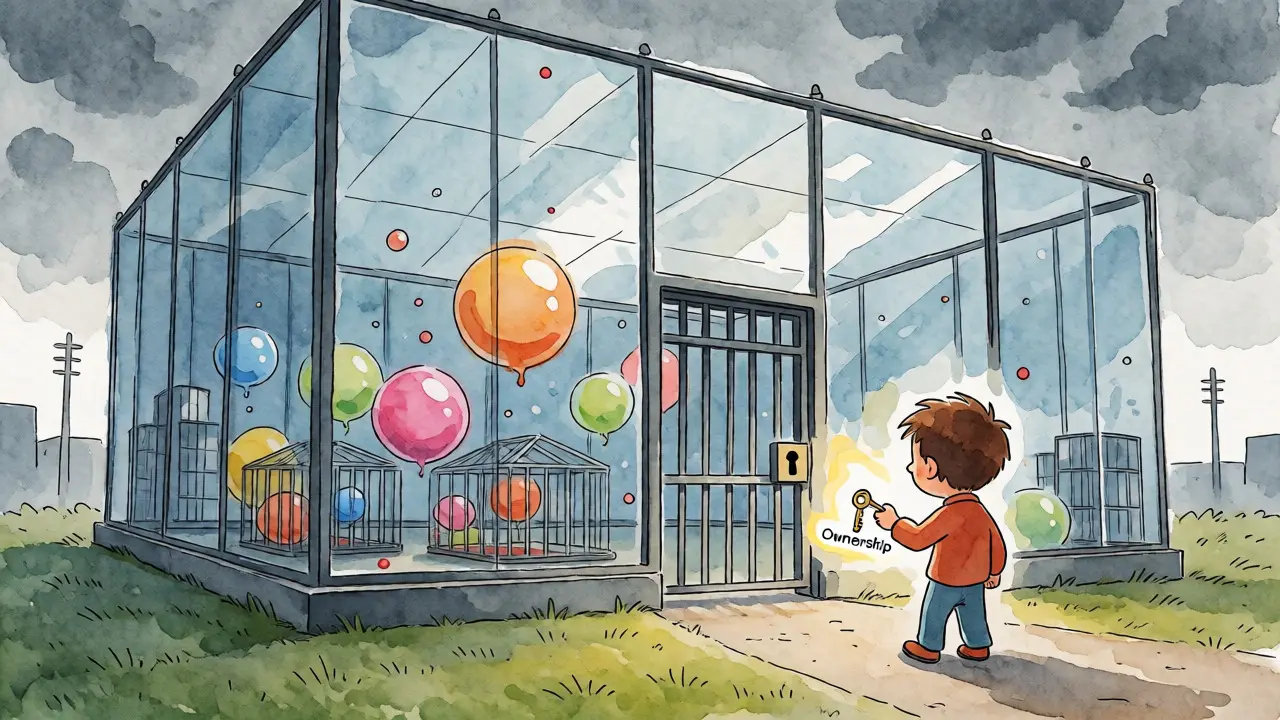
Imagine posting a photo on Instagram, building an audience of thousands, and then waking up to find your account banned with no appeal process. Or worse, imagine the platform changing its algorithm overnight, burying your content so deep that only your mother sees it. This isn't a hypothetical nightmare; it's the daily reality for millions of creators on Centralized Social Media. You don't own your audience; you're renting space on someone else's digital landlord.
This is where Decentralized Content Platforms enter the picture. Unlike traditional networks, these systems run on distributed networks or blockchain technology, meaning no single company holds the keys to your kingdom. As we move through late 2026, the shift away from corporate-controlled feeds toward user-owned ecosystems has moved from a niche crypto experiment to a mainstream necessity for many. If you've ever felt powerless against an opaque algorithm, understanding how these platforms work is your first step toward reclaiming control.
The Core Problem With Centralized Feeds
To appreciate the solution, you have to look at the problem. Traditional platforms like Facebook (Meta), X (formerly Twitter), and TikTok operate as walled gardens. They are profitable because they aggregate your data, sell attention to advertisers, and moderate content based on internal policies that can change without notice. The business model relies on keeping you engaged, often by serving content that triggers emotional reactions rather than what you actually want to see.
In this model, the user is the product. When you sign up for a centralized service, you agree to Terms of Service that grant the company broad rights to use your data. If the company decides your post violates a vague community guideline, they can delete it. If they decide to pivot their business model, they can alter how your content is displayed. There is no transparency in the recommendation algorithms. You never know why a video went viral or why another one died after ten views. This lack of agency drives the growing migration toward decentralized alternatives.
How Decentralized Networks Actually Work
Decentralized Content Platforms flip the script by distributing control across a network of independent servers or nodes. Instead of one giant database owned by one corporation, data is stored across many locations, often secured by cryptographic protocols. There are two main architectural approaches here: federated networks and blockchain-based systems.
Federated networks, like Mastodon, use protocols such as ActivityPub to allow different servers to talk to each other. Think of it like email. You can have a Gmail address and send messages to someone with a Yahoo address. Similarly, you can host your profile on one server and interact with users on another. If you don't like the moderation rules on your current server, you can take your followers and move to a new one without losing your identity.
Blockchain-based platforms, such as Lens Protocol or Mirror, take this further by recording content interactions directly on a blockchain. Here, your social graph-who follows you, who likes your posts-is minted as non-fungible tokens (NFTs). This means your connections are portable assets, not just entries in a private database. If the platform hosting the interface shuts down, your social graph remains intact on the chain, ready to be imported into a new application.
Key Players in the Decentralized Landscape
The ecosystem is diverse, catering to different needs ranging from microblogging to long-form publishing. Understanding the major players helps you choose the right tool for your content strategy.
| Platform | Technology Type | Primary Use Case | Monetization Model |
|---|---|---|---|
| Mastodon | Federated (ActivityPub) | Microblogging / General Social | Donations / Server Fees |
| Lens Protocol | Blockchain (Polygon) | Social Graph / DApps | NFT Minting / Token Rewards |
| Steemit | Blockchain (Steem) | Blogging / Curation | Crypto Rewards for Posts/Votes |
| Mirror | Blockchain (Ethereum) | Long-form Publishing / NFTs | NFT Sales / Crowdfunding |
| Diaspora* | Federated | Privacy-focused Social Networking | Self-hosting Costs |
Mastodon is currently the most accessible entry point for most users. It looks and feels similar to Twitter but operates on thousands of independent instances. Each instance sets its own moderation rules, allowing communities to form around specific interests or values. Because it uses ActivityPub, it also interoperates with other fediverse apps like Pixelfed (for photos) and PeerTube (for video).
Lens Protocol targets the Web3 native crowd. It doesn't host content itself; instead, it provides the infrastructure for developers to build social applications on top of the blockchain. Your profile is an NFT, and your posts are collectibles. This allows for complex monetization strategies, such as charging for access to exclusive content or trading follower slots.
Mirror serves writers and journalists. It allows authors to publish articles that are permanently recorded on Ethereum. Writers can turn their articles into NFTs, selling limited editions to collectors, or use the platform to crowdfund future projects directly from their readers. It removes the need for ad networks entirely.
The Economic Shift: Owning Your Value
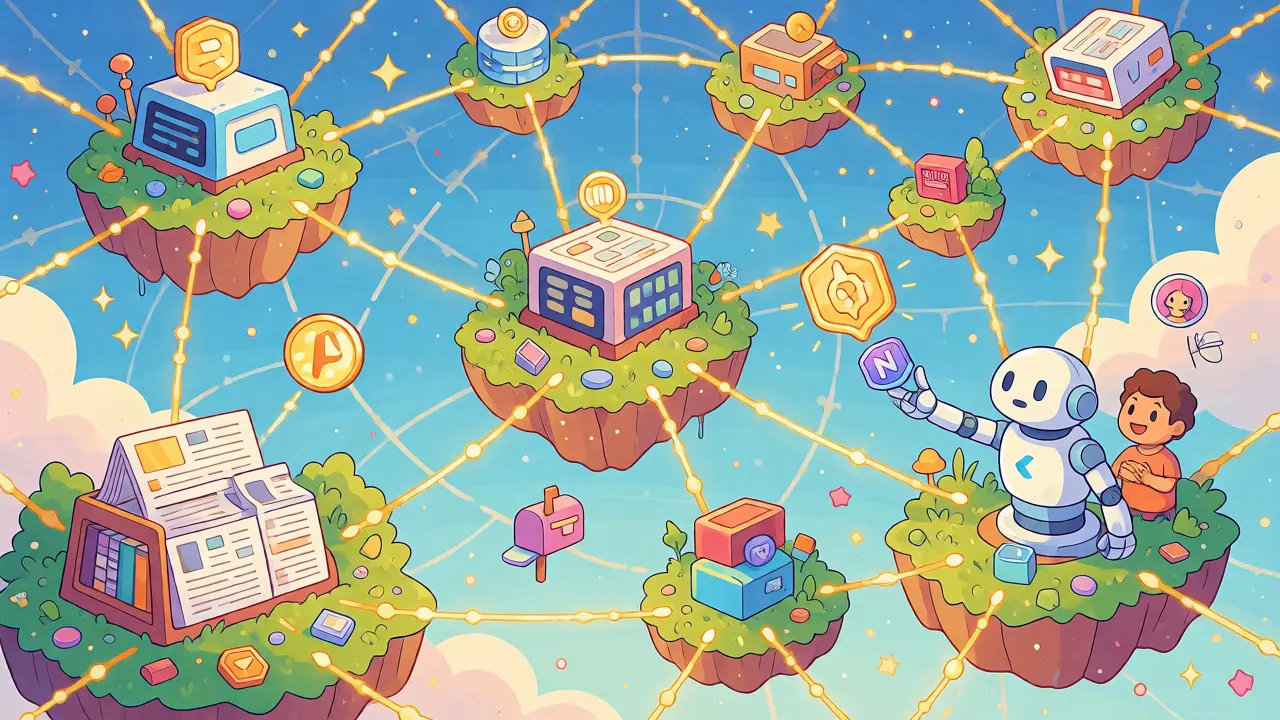
On centralized platforms, the value generated by your content flows primarily to the platform owner. On decentralized platforms, the economic incentives are aligned more closely with the creator. This is achieved through three primary mechanisms: direct tipping, token rewards, and asset ownership.
Direct tipping allows audiences to send cryptocurrency or fiat currency straight to the creator. There is no middleman taking a 30% cut. While transaction fees exist, they are generally lower than platform fees, especially when using layer-2 scaling solutions like Polygon or Solana.
Token rewards, seen in platforms like Steemit or various DeFi-integrated social apps, incentivize quality curation. Users earn tokens for creating valuable content or for accurately curating high-quality posts early. This creates a market-driven quality control system rather than an editorial board deciding what is "good."
Asset ownership is perhaps the most radical change. When you mint a post as an NFT on Lens or Mirror, you retain intellectual property rights defined by smart contracts. You can license your work, sell secondary rights, or even bundle multiple posts into a collection. This transforms content from a disposable commodity into a durable asset.
Challenges and Barriers to Adoption
Despite the promise, decentralized platforms aren't perfect replacements yet. The biggest hurdle is usability. Setting up a wallet, managing private keys, and understanding gas fees can be intimidating for non-technical users. If you lose your private key, you lose your account forever. There is no "Forgot Password" button in true decentralization.
Content discovery is another pain point. Centralized platforms excel at recommending content you didn't know you liked. Decentralized platforms often rely on chronological feeds or manual following, which can feel sparse if you haven't actively built a network. Algorithms exist in some Web3 apps, but they are less sophisticated than the machine learning engines powering TikTok or YouTube.
Finally, fragmentation remains a risk. While interoperability protocols like ActivityPub help, the ecosystem is still split between different blockchains and standards. A user on Lens might not easily interact with a user on a Bitcoin-based social layer without bridging tools. However, developments in cross-chain communication are rapidly addressing this.
Who Should Switch Now?
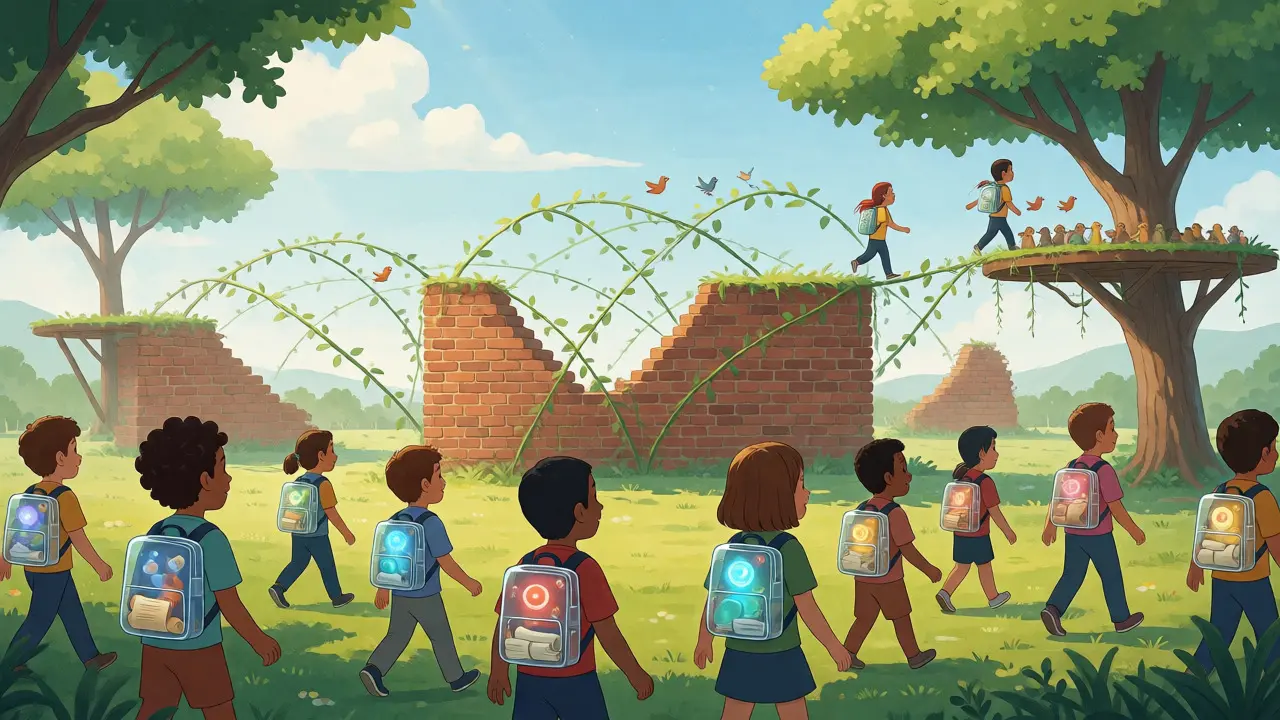
You don't need to delete your Instagram account tomorrow. But certain groups should seriously consider diversifying their presence.
- Professional Creators: If your income depends on platform reach, having a backup channel where you own the audience list (via email or blockchain addresses) protects you from sudden deplatforming.
- Privacy Advocates: If you are concerned about data mining and surveillance, federated platforms offer a significantly better privacy posture by default.
- Niche Communities: If you are part of a specialized group (e.g., indie game devs, academic researchers), finding a dedicated instance on Mastodon or a specialized dApp can provide higher engagement rates than generalist platforms.
For the average casual user, the transition might wait until interfaces become seamless. Hybrid models-where you log in with a standard email but your data lives on a decentralized backend-are emerging as the bridge. These "Web2.5" experiences hide the complexity while offering the benefits of portability.
The Future of Digital Ownership
The trajectory points toward a hybrid internet. We won't see a complete replacement of Meta or Google overnight. Instead, we will see a gradual erosion of their monopoly as users demand more control. Regulatory pressure regarding data privacy and antitrust issues is also forcing centralized giants to open up their APIs, inadvertently pushing them closer to decentralized principles.
By 2027 and beyond, expect social graphs to become truly portable. Imagine logging into a new app and instantly importing your friends, preferences, and history from your previous platform because that data belongs to you, not the company. That is the ultimate goal of decentralized content platforms: shifting the power dynamic from the platform to the person.
What is the main difference between decentralized and centralized social media?
The core difference lies in control and data storage. Centralized platforms store all user data on private servers controlled by a single corporation, which dictates moderation and algorithms. Decentralized platforms distribute data across a network of independent nodes or blockchains, giving users ownership of their data and allowing community-driven governance.
Do I need a cryptocurrency wallet to use decentralized platforms?
It depends on the platform. Federated networks like Mastodon typically do not require a crypto wallet; you just create an account like on any traditional site. Blockchain-based platforms like Lens Protocol or Mirror usually require a crypto wallet (like MetaMask) to manage your identity and transactions.
Can I move my followers to a new decentralized platform?
Yes, this is a key feature called portability. On federated platforms, you can export your data and import it to a new server. On blockchain-based platforms, your social graph is often minted as NFTs, meaning your followers and connections are recorded on the blockchain and can be accessed by any compatible application, regardless of the interface you choose to use.
Are decentralized platforms safe from censorship?
They are resistant to top-down censorship, but not immune to all forms of filtering. Since there is no central authority, a government or company cannot simply ask one server to delete your post globally. However, individual servers or communities may have their own moderation rules, and blockchain immutability means once content is posted, it is very difficult to remove, which has its own ethical implications.
Which decentralized platform is best for beginners?
Mastodon is widely considered the best starting point for beginners. Its interface is familiar to anyone who has used Twitter/X, and it does not require knowledge of cryptocurrency or wallets. It allows users to experience the benefits of federation and community moderation without the technical barriers of blockchain integration.
