
You’ve probably heard the term "utility token" thrown around in crypto Twitter or Discord chats. It sounds technical, but the concept is surprisingly simple once you strip away the jargon. Imagine a bus pass. You don’t buy a bus pass because it’s an investment that will appreciate in value like gold. You buy it because it lets you ride the bus. That’s essentially what a utility token is: a digital key that gives you access to a specific service or product within a blockchain ecosystem.
Unlike stocks, which represent ownership in a company, or Bitcoin, which acts as digital gold, utility tokens are tools. Their value comes from their usefulness. If nobody wants to use the service, the token becomes worthless. If the service is in high demand, the token price rises. This distinction is crucial for anyone looking to understand where their money is going in the crypto space. Let’s break down exactly how they work, why they exist, and how to spot the good ones from the bad.
The Core Concept: Access Over Ownership
The primary job of a utility token is to facilitate functionality. Think about Ethereum. While Ether (ETH) often gets treated as a commodity, its original purpose was strictly utility-based: it pays for gas fees. Without ETH, you cannot execute smart contracts on the Ethereum network. The token is fuel for the machine.
This differs sharply from security tokens. Security tokens are like shares in a company; if the company profits, you might get dividends. Utility tokens offer no such promise. They grant rights to use, not rights to own. For example, Filecoin’s FIL token allows users to buy decentralized storage space. You aren’t buying a piece of Filecoin Inc.; you’re paying for server space. If Filecoin stops offering storage, the token loses its core reason for existing.
| Feature | Utility Token | Security Token | Native Coin (e.g., BTC) |
|---|---|---|---|
| Primary Purpose | Access to services/features | Investment/Ownership | Store of Value/Payment |
| Value Driver | Demand for the platform's utility | Company performance/Assets | Network adoption/Scarcity |
| Regulatory Risk | Medium (depends on usage) | High (SEC scrutiny) | Low/Medium |
| Example | BAT (Brave Browser), LINK (Oracles) | STO-backed real estate | Bitcoin, Litecoin |
How Do Utility Tokens Actually Work?
Most utility tokens live on existing blockchains rather than having their own. The vast majority-around 73%-are built on Ethereum using the ERC-20 standard. This standard ensures all these tokens look and act similarly in wallets and exchanges, making them easy to trade. But just because they look alike doesn’t mean they do the same thing.
Let’s look at Chainlink (LINK). Blockchains are isolated systems; they can’t see data from the outside world, like the current price of Apple stock or the weather in Wellington. Chainlink provides "oracles" that feed this external data into smart contracts. To pay Chainlink nodes for this data retrieval, developers must use LINK tokens. Here, the utility is clear: no LINK, no data feeds, no functional smart contracts that rely on real-world info.
Another great example is Render Network (RNDR). It connects people who need GPU power for rendering graphics with people who have idle GPUs. RNDR is the payment method for this marketplace. The more artists and studios use the network, the more RNDR is needed. This creates a direct link between network usage and token demand.
Why Projects Launch Utility Tokens Instead of Just Using Cash
You might ask, why not just use US Dollars or stablecoins for payments? Why create a new token? There are three main reasons projects go through the hassle:
- Incentive Alignment: Tokens can reward users for helping the network grow. In many DeFi protocols, you earn governance tokens by providing liquidity. This encourages early adoption and locks users into the ecosystem.
- Governance: Many utility tokens double as voting keys. Holders can vote on protocol upgrades or treasury spending. This decentralizes control, moving power away from a central CEO to the community.
- Global Accessibility: Traditional banking is slow and expensive across borders. Crypto tokens settle in minutes, 24/7, without needing a bank account. This is vital for global platforms like Brave Browser, which rewards users worldwide instantly.
The Regulatory Grey Area: Are They Securities?
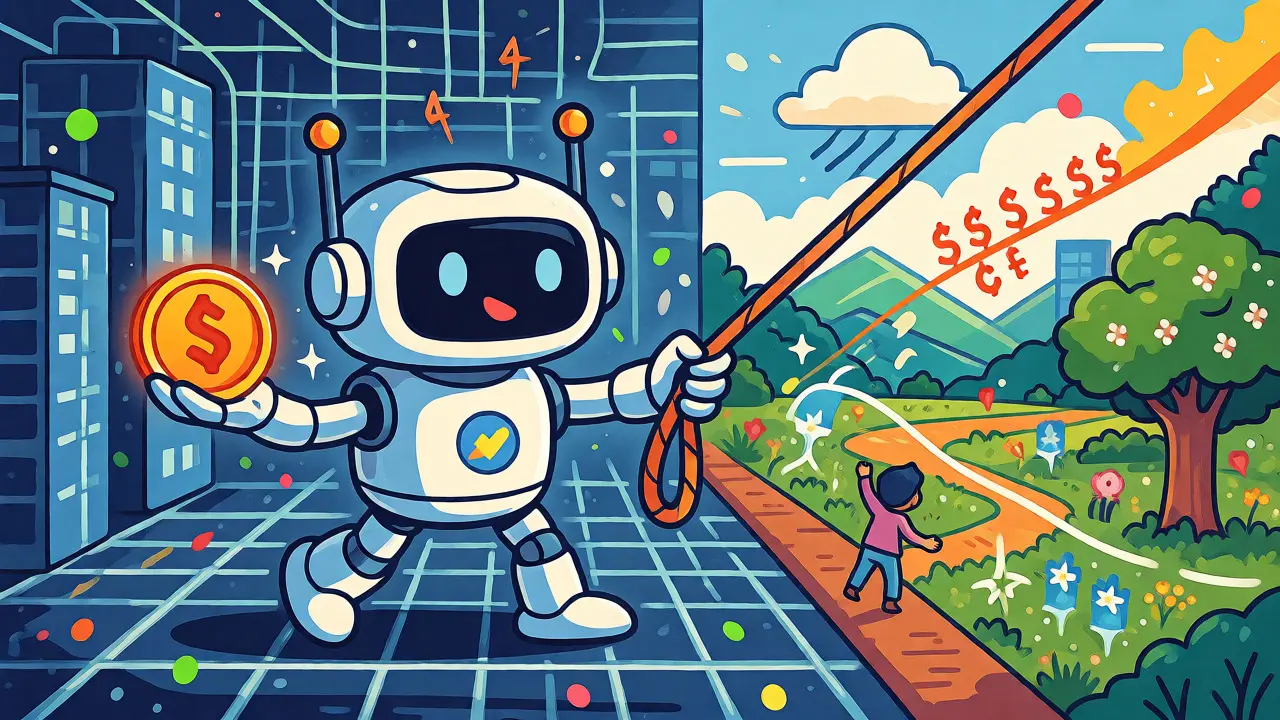
Here is the tricky part. In the United States, the SEC uses the "Howey Test" to determine if an asset is a security. If investors expect profits primarily from the efforts of others, it’s likely a security. Many projects claim their tokens are purely utility, but regulators argue otherwise.
For instance, if a project sells tokens before the platform is even built, promising that the token price will rise as the platform grows, the SEC might view those tokens as unregistered securities. This ambiguity has led to lawsuits against major players like Ripple (XRP). As of late 2026, jurisdictions like Switzerland and Singapore have clearer frameworks, labeling some tokens as "payment tokens" or "utility tokens" distinct from securities. However, if you’re holding a token hoping for price appreciation based solely on marketing hype, you might be walking a regulatory tightrope.
Spotting Good Utility vs. Hype
Not all utility tokens are created equal. Some solve real problems; others are solutions looking for a problem. Vitalik Buterin, co-founder of Ethereum, has criticized tokens that create artificial scarcity without genuine need. How do you tell the difference?
- Check the Burn Mechanism: Does the token get burned (removed from circulation) when used? Ethereum burns ETH with every transaction. This ties supply directly to usage.
- Analyze User Activity: Look at on-chain data. Are people actually using the protocol, or is trading volume just speculation? Platforms like Dune Analytics show real usage stats.
- Read the Whitepaper: Does the token have a mandatory role? If you can use the platform with stablecoins instead of the native token, the utility might be weak.
- Evaluate Team Transparency: Is the team public? Are audits available? Hidden teams often signal higher risk.
A study by the University of Cambridge found that nearly 40% of projects claiming to be utility tokens actually behaved like securities under legal tests. Always dig deeper than the website’s landing page.
Market Reality: Volatility and Liquidity
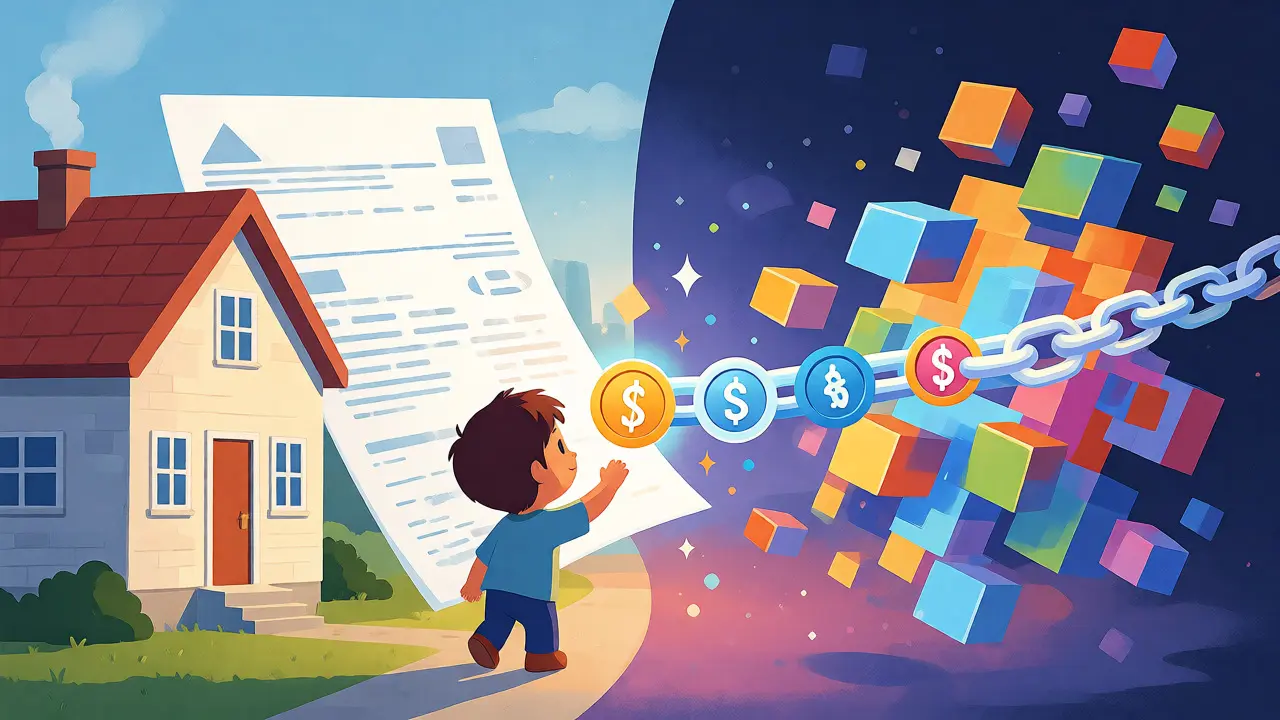
Because utility tokens depend on platform usage, they can be volatile. When user activity drops, demand for the token plummets. Data shows utility tokens exhibit 40-60% higher volatility than Bitcoin. This makes them risky for short-term trading but potentially rewarding for long-term believers in a specific technology.
Liquidity is another concern. Major tokens like LINK or UNI have deep liquidity, meaning you can sell large amounts without crashing the price. Smaller utility tokens often suffer from thin order books. Trying to exit a position in a small-cap utility token during a market dip can result in significant slippage.
The Future: Specialization and Real-World Assets
The era of generic "platform tokens" is fading. New projects are focusing on niche utilities. We’re seeing tokens tied to real-world assets (RWA), like Centrifuge, which uses tokens to finance invoices and mortgages on-chain. This bridges the gap between traditional finance and crypto, giving utility tokens tangible backing.
Additionally, standards like EIP-7702 on Ethereum aim to make token interactions smoother, allowing accounts to act more flexibly. This could enhance how utility tokens are used in everyday transactions, moving beyond speculative trading to actual daily payments and service access.
Can I lose all my money in a utility token?
Yes. Since value depends on the platform's success, if the project fails or users leave, the token can drop to near zero. Unlike fiat currency, there is no government backing.
Are utility tokens the same as altcoins?
"Altcoin" is a broad term for any coin other than Bitcoin. Utility tokens are a subset of altcoins designed for specific functions. Not all altcoins are utility tokens; some are memecoins or store-of-value assets.
Do I need to hold a utility token to use a platform?
Usually, yes. Most platforms require their native token for transaction fees or service access. However, some allow alternative payment methods, though this may reduce incentives or features.
What happens if a utility token is deemed a security?
If classified as a security, the token might face delisting from certain exchanges, stricter reporting requirements, or legal challenges. This can impact liquidity and price stability significantly.
Is Ethereum a utility token?
Ethereum’s native asset, Ether (ETH), started as a utility token for gas fees. Today, it functions as both a utility asset for the network and a store of value, blurring the lines slightly.
